


 English
 Spanish
 French
 German
 Italian
 Chinese (Simplified)
 Japanese
 Korean
 Arabic
 Portuguese
Call us now
08045801412
HT Power Control Cable
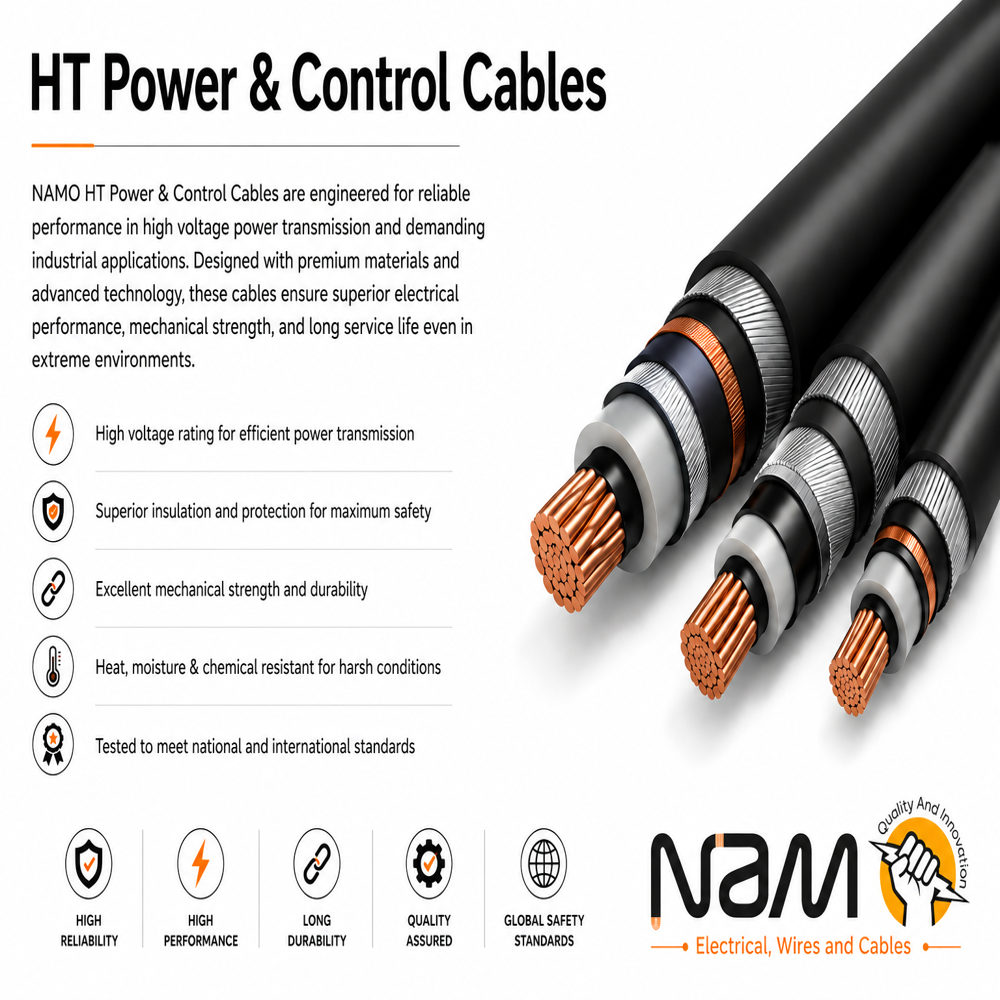

HT Power Control Cable Specification
- Temperature
- -30C to +90C
- Connector Type
- Lug / Terminal end
- Conductor Type
- Stranded / Solid
- Cable Length
- Standard & Customized
- No Of Core
- 2 Core / 3 Core / 4 Core / Multi Core
- Product Type
- HT Power Control Cable
- Material
- PVC, Copper, XLPE
- Function
- Electrical Power Transmission and Control
- Usage
- Industrial, Commercial Power Distribution
- Voltage Surge
- Upto 33 kV
- Frequency (MHz)
- 50 Hz
- Rated Voltage
- 11 kV - 33 kV
- Rated Current
- As per cable size and application
- Cable Capacity
- High Transmission Capacity
- Insulation Material
- XLPE / PVC
- Conductor Material
- Copper / Aluminium
- Length
- Available in customized lengths
- Size
- As per customer requirement
- Color
- Black / Custom
- Diameter
- Varies as per size and cores
- Application
- HT Power Distribution, Control Panels
- Outer Sheath
- UV Resistant PVC / XLPE
- Shielding
- Optional Copper Tape / Braid
- Armour Type
- Steel Wire / Steel Strip / Unarmoured
- Bending Radius
- 12 x Cable Outer Diameter
- Installation Type
- Direct Buried / Duct / Tray / Indoor / Outdoor
- Fire Resistance
- Flame Retardant
- Short Circuit Rating
- High, As per IS standard
- Moisture Resistance
- High
- Test Voltage
- 3.5 kV AC for 5 minutes
- Insulation Resistance
- > 36 M-km
HT Power Control Cable Trade Information
- Minimum Order Quantity
- 1 Unit
- Delivery Time
- 1 Days
About HT Power Control Cable
HT (High Tension) power and control cables are heavy-duty electrical cables used to transmit high voltage (typically (3.3 text{ kV}) up to (33 text{ kV})) and route control signals across industrial facilities, substations, and major distribution networksDurable Design for Demanding Applications
HT Power Control Cables are constructed to withstand harsh environments with flame retardant materials, high moisture resistance, and a UV-resistant outer sheath. Whether installed directly underground, in ducts, trays, or substation control panels, these cables deliver long-lasting performance for both indoor and outdoor power distribution needs.
High Electrical Performance & Safety
Rated for voltages up to 33 kV and currents aligned with specific applications, these cables guarantee high insulation resistance and robust short circuit capacity. Rigorous testing, including a 3.5 kV AC test over 5 minutes, ensures operational safety and dependable control under demanding electrical loads.
Customizable to Project Requirements
Produced with copper or aluminium conductors in both stranded and solid forms, your HT Power Control Cable can be tailored by core quantity, color, connector type, and sheath material. This flexibility makes them suitable for unique industrial and commercial installations, ensuring seamless integration into your power infrastructure.
FAQ's of HT Power Control Cable:
Q: How are HT Power Control Cables typically installed?
A: These cables can be installed directly in the ground (buried), within ducts, on trays, or inside indoor and outdoor environments. Their robust design, including options for armouring and flame retardant sheaths, makes them suitable for a range of installation types and conditions.Q: What benefits does the flame retardant and UV-resistant sheath provide?
A: The flame retardant sheath enhances fire safety by limiting cable ignition and flame spread. Meanwhile, the UV-resistant outer layer protects the cable from sun exposure, making it ideal for prolonged outdoor use and preventing premature degradation.Q: When should I choose armoured versus unarmoured HT Power Control Cable?
A: Armoured cables (with steel wire or strip) offer better mechanical protection against physical damage and are recommended for direct burial or installations in areas with high mechanical risks. Unarmoured cables are suitable for protected indoor environments where such protection is not required.Q: Where are these cables most commonly used?
A: HT Power Control Cables are widely used in industrial complexes, commercial buildings, substations, and power distribution networks-especially in control panels and systems that demand reliable, high-capacity power transmission and precise control.Q: What process is followed for customizing cable size and length?
A: Based on project requirements, you can select core number, conductor type, sheath material, and color. Once specifications are provided, the manufacturer produces cables to exact dimensions and lengths, ensuring compatibility with diverse applications.Q: How does the high insulation and test voltage contribute to cable safety?
A: With insulation resistance greater than 36 M-km and routine high-voltage testing at 3.5 kV AC for 5 minutes, these cables offer superior protection against electrical leakage, ensuring both operational safety and compliance with IS standards.Q: What are the advantages of using copper or aluminium conductors in these cables?
A: Copper provides higher conductivity and efficiency for heavy-duty control and power transmission, while aluminium offers a cost-effective, lightweight alternative. The choice depends on the installation environment, current rating, and budget requirements.Tell us about your requirement

Price:
Quantity
Select Unit
- 50
- 100
- 200
- 250
- 500
- 1000+
Additional detail
Mobile number
Email

More Products in Aluminium Wire Category
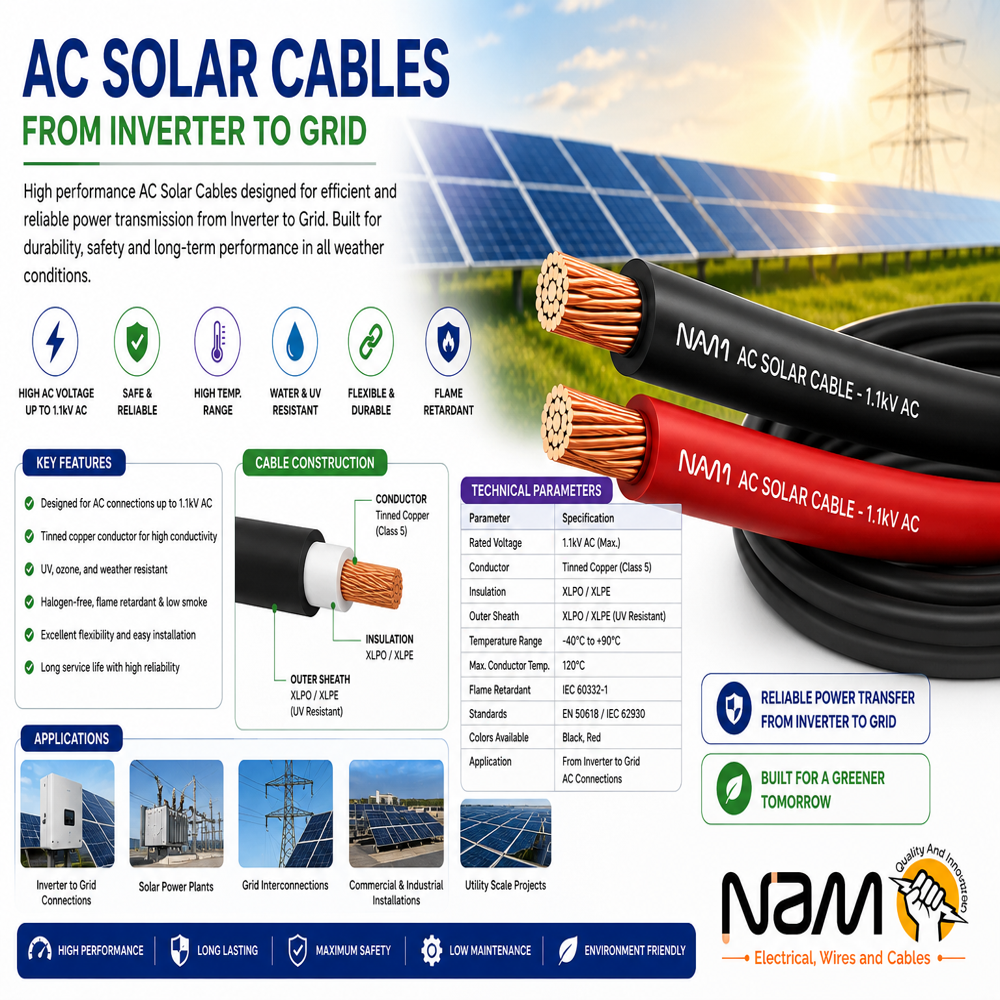
AC Solar cable
Price 25.0 INR / Piece
Minimum Order Quantity : 1 Piece
Size : 4 Sq mm
Diameter : 6.8 mm
Function : Power Transmission
Cable Capacity : Standard
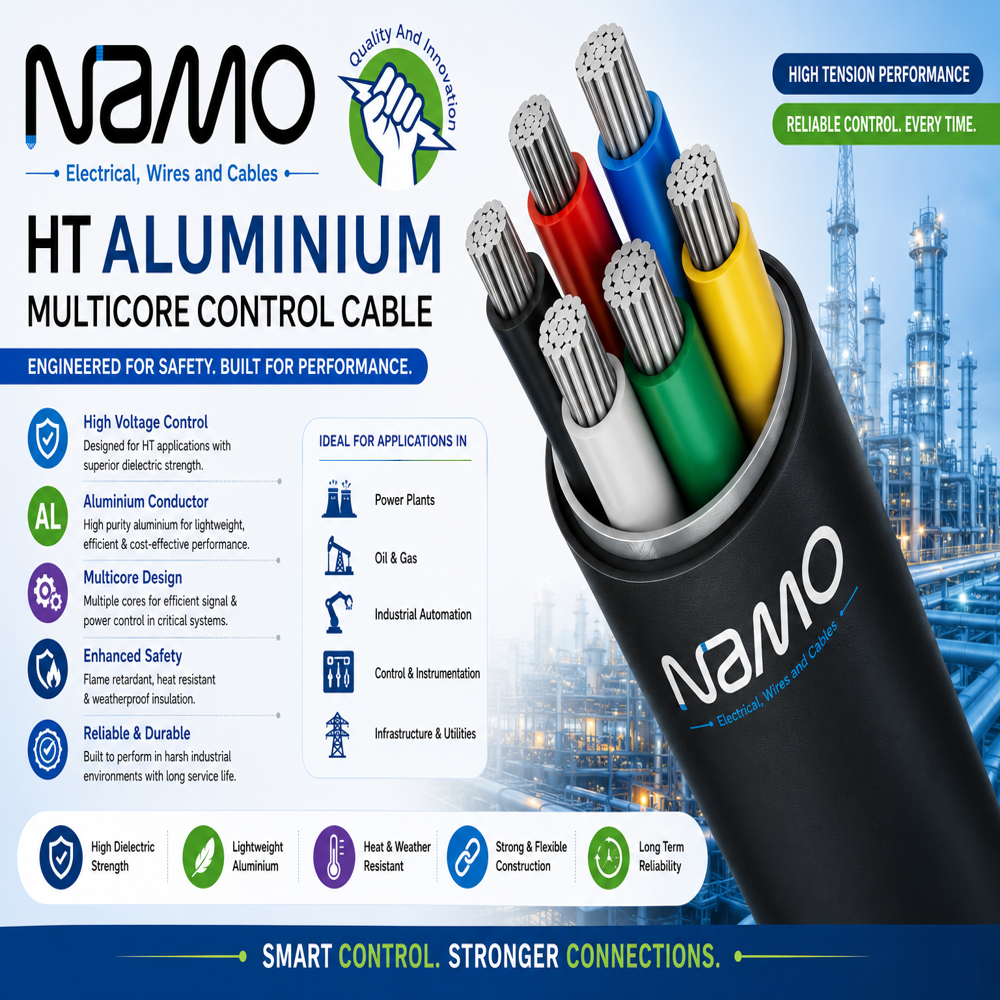
HT Aluminum Control Cable
Price 100.0 INR / Piece
Minimum Order Quantity : 1 Piece
Size : Varies as per requirement (1.5 sq mm to 25 sq mm and above)
Diameter : Varies with size and core (as per IS standard)
Function : Power transmission and distribution control
Cable Capacity : Multiple core options available
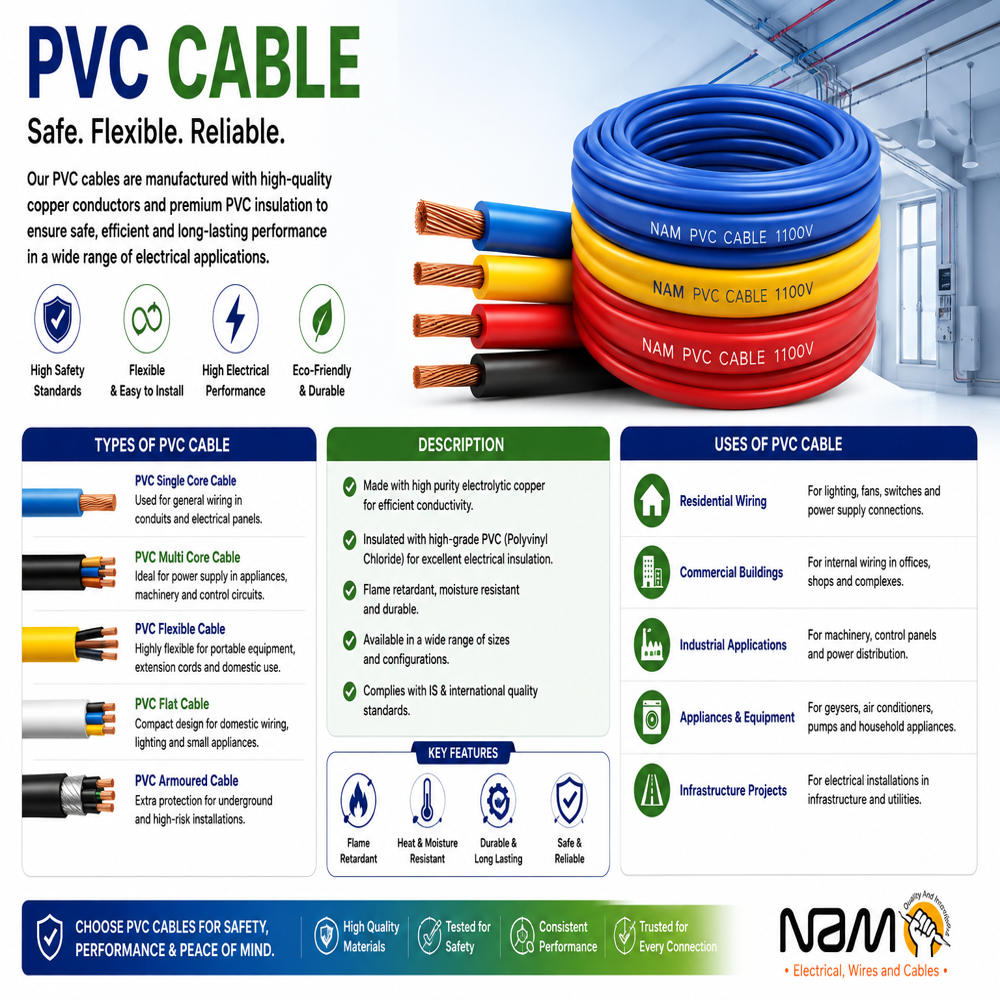
PVC Cable
Price 120.0 INR / Piece
Minimum Order Quantity : 1 Piece
Size : Varies (commonly 1, 1.5, 2.5, 4, 6 sq.mm, etc.)
Diameter : Dependent on size and insulation thickness
Function : Transmission of electrical power or signals
Cable Capacity : Depends on conductor size (typically 1 to 35 sq.mm)
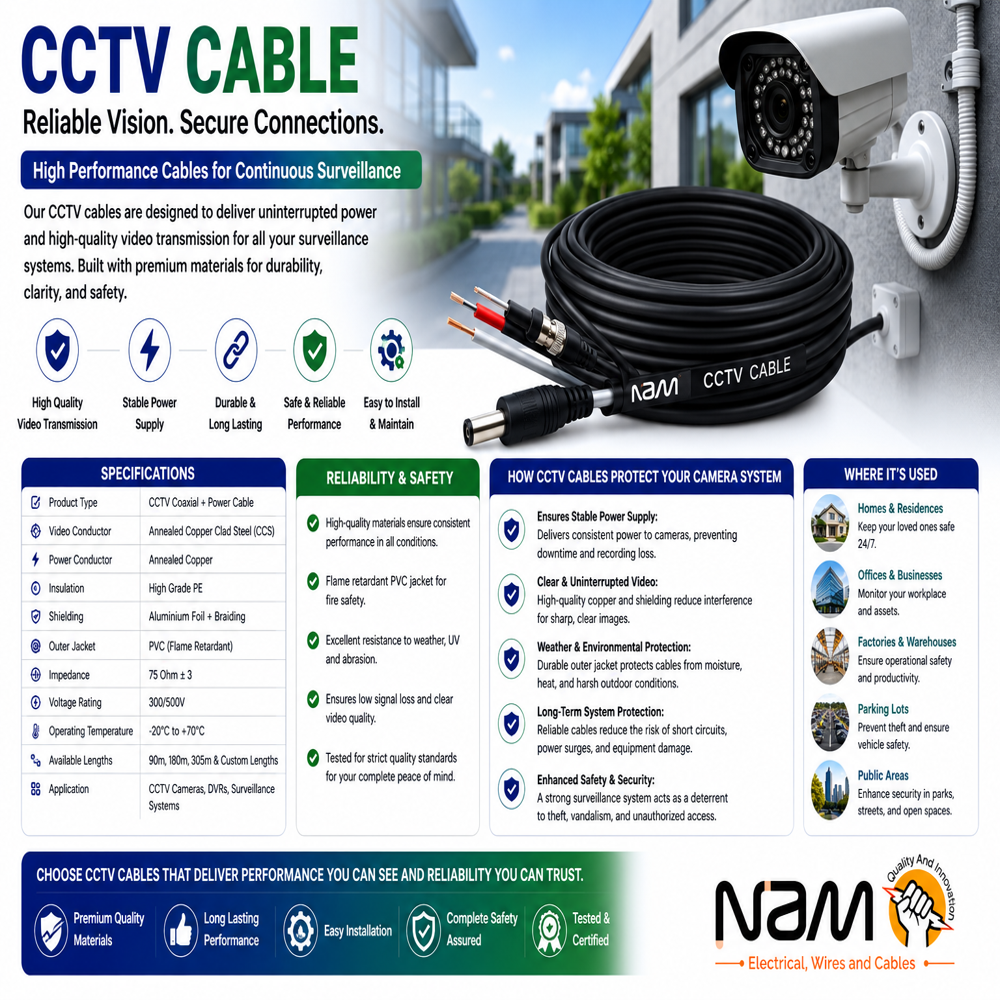
CCTV Cable
Price 25.0 INR / Piece
Minimum Order Quantity : 1 Piece
Size : 3+1 and 4+1 Types
Diameter : 6.5mm approx
Function : Transmits video and power signals for surveillance cameras
Cable Capacity : Supports both video and power transmission

Poona Industries
GST : 27BXIPP3108A1ZT
GST : 27BXIPP3108A1ZT
Near Pcmc Swimming Pool, Pimprigaon,Pune - 411017, Maharashtra, India
Phone :08045801412
 Send Inquiry
 Send Inquiry
 Send SMS
 Call Me Free
Poona Industries
All Rights Reserved.(Terms of Use)
Developed and Managed by Infocom Network Private Limited.
Developed and Managed by Infocom Network Private Limited.

